Category: Accessibility

  • Day 19: Deaf Accessibility Wins – The Power of Behind-the-Scenes Conversations

    The captions, sign language, and accessible services we see publicly are often the result of work that happens out of sight. These wins usually start with meaningful conversations with the right people — not social media influencers, but decision-makers, policymakers, business leaders, and those in public service.

    When people don’t know what they don’t know, we take matters into our own hands (pun intended). We advocate and educate them about Deaf access — captions, sign language interpretation, and more. Being assertive is key.

    You don’t have to change the entire world. Impactful conversations with one person at a time can lead to hiring, partnerships, policy shifts, or business pivots. Real change happens when we connect with accessibility champions and nurture those relationships.

    In my experience, the conversations themselves can feel easy. Taking action takes time because decision-making is influenced by both internal motivation and external pressures. Still, the strongest results come when access and inclusion are pursued not just as obligations, but because they are the humane and right thing to do.

    Investing in relationships raises the value of accessibility. When we inspire rather than only demand, we build lasting progress.


    What about you? Have you ever had a conversation with a decision-maker that led to better access? Or what’s one relationship that helped create positive change in your community?

    Share your experiences in the comments — these stories matter!

    See you tomorrow for Day 20!

  • Day 13: Deaf Accessibility Wins – Celebrating 10 Years of Canada VRS

    This year marks 10 years since Canada VRS officially launched on September 28, 2016. While there were earlier discussions, trials, and CRTC decisions leading up to it, the public rollout was a major milestone.

    In the U.S., VRS had already been available since the early 2000s, with commercial rollout in 2003. Companies like Sorenson Media (with dedicated videophones like the VP-100) and better high-speed internet made it practical and popular for Deaf and hard-of-hearing users communicating in ASL through video interpreters.

    I remember making calls from Canada using U.S. VRS services through phone companies like AT&T. It was all done online with a computer, internet connection, and bulky webcams. Not long after, Viable introduced the V-Pad for Deaf Canadians — free to use. There were also early point-to-point video calling options using IP.

    This was a massive shift from the old TTY era. Video Relay Service finally allowed Deaf people to communicate using their primary language — ASL — efficiently and naturally.

    Since then, internet speeds, data, and video quality have improved dramatically. Today we have seamless options like MS Teams, Zoom, FaceTime, and Google Meet. It’s incredible to see how far technology has come in such a short time.

    I believe AI will open even more possibilities in the years ahead.

    Canada VRS has been a significant accessibility win — and it’s worth celebrating its 10-year milestone.


    What about you? How has Video Relay Service (or similar video technology) changed communication in your life? Or what’s one tech advancement that made a big difference for you?

    Share your experiences in the comments!

    See you tomorrow for Day 14!

  • Day 9: Deaf Accessibility Wins – From Nervous Beginner to Freelance ASL Translator

    Years ago, becoming a Deaf translator never crossed my mind as a real career path. One of the pivotal moments that changed everything was working on a translation project alongside the internationally renowned Deaf Interpreter, Nigel Howard.

    I first knew Nigel while living in British Columbia when he was teaching Deafhood (the groundbreaking work by Dr. Paddy Ladd). Learning about Deafhood opened my eyes to my own identity. Getting the chance to work with him on translations was an honour.

    We translated pre-recorded videos in a studio. At first, I struggled badly — I could barely last 30 seconds without fumbling or falling behind the timing. There were so many retakes. Watching Nigel work smoothly and confidently inspired me. Our conversations about work ethic, preparation, and performing in front of the camera helped me build real skills and confidence.

    I also had earlier exposure through volunteering as a Deaf Interpreter / Intervenor for a DeafBlind student during high school performances — a physically demanding but valuable experience.

    Later, I gained hands-on production knowledge while working with Cynthia Benoit (founder of Eversa, formerly CBLS/SLCB) — learning about lighting, green screens, camera setup, and the full pre-production process through plenty of trial and error.

    All these experiences and the people who took a chance on me paved the way for my current freelance translation work. Today, I’m able to make content accessible in ASL on local, national, and even global levels.

    These were invaluable seeds planted along the way.


    What about you? Have you had a mentor or early experience that unexpectedly shaped your career path? Or what’s one skill you’re glad you learned through persistence?

    Share your stories in the comments!

    See you tomorrow for Day 10!

  • Day 8: Deaf Accessibility Wins – The Lasting Impact of Teaching ASL

    In yesterday’s post I mentioned teaching the MLA the sign for “congratulations.” That small moment brought back memories of my early teaching career.

    Right after completing my MA in Deaf Studies at Gallaudet University, I taught a class for students in the Teacher of the Deaf (TOD) program at the University of Manitoba. That experience opened doors to other teaching roles: instructor for Disability Studies at the University of Winnipeg, instructor for the interpreting program and Deaf literacy program at Red River College, and ASL instructor at the University of Manitoba.

    Teaching ASL never felt like just teaching a language. It was always deeply connected to Deaf culture, the local community in Winnipeg and Manitoba, and my own lived experience as a Deaf person.

    My favourite part has always been seeing what happens after the course ends. Students expanded their knowledge and went on to apply it personally and professionally. One nurse realized the importance of effective communication with Deaf patients and the need for qualified interpreters. A couple of students were inspired to become advocates, used me as a reference, and got into law school. Others went into careers working directly with Deaf people or simply became better communicators with Deaf family members, friends, and neighbours.

    To this day, some former students stay in touch or we run into each other in the community.

    The classroom is like planting seeds. When you nurture students with knowledge, empathy, and Deaf perspectives, they grow into agents of change — carrying accessibility forward wherever they go.


    What about you? Did a teacher, mentor, or course ever shift how you think about accessibility or inclusion? Or have you seen the impact of learning ASL in your own life or career?

    Share your experiences in the comments!

    See you tomorrow for Day 9!

  • Day 7: Deaf Accessibility Wins – Small Gestures, Big Connections

    Recently, I had the honour of giving a speech at a high school graduation. The MLA (Member of the Legislative Assembly) was also on stage. I actually knew her from years ago — we worked together at a social services agency, where I was a case manager and she was the social worker supporting the same individual. Back then, collaborating made advocating for that person’s needs much smoother.

    It was great to see her again in a different stage of our careers, still working for the same community.

    After the speeches, as we mingled with the crowd, she came up to me and asked, “What’s the sign for ‘congratulations’?” I showed her, and she practiced it right there.

    Little things like this go a long way. When someone genuinely wants to connect by learning even a small piece of our language, it moves beyond basic “access” or “inclusion.” It becomes a real human connection — being seen, understood, and valued.

    When hearing people take the initiative to learn from us, it opens up space for Deaf and non-Deaf people to coexist more naturally and authentically.

    These small, sincere moments are powerful wins.


    What about you? Have you ever had a meaningful moment where someone made an effort to learn a bit of sign language or bridge a communication gap? How did it feel?

    Share your stories in the comments — these small wins are worth celebrating!

    See you tomorrow for Day 8!

  • Day 5: Deaf Accessibility Wins – Communicating Through Windows

    Yesterday, a door-to-door sales rep came by asking about our phone and internet service. I wasn’t available to speak with him, so my spouse met him at the front door. She explained that I’m Deaf and we communicate in ASL.

    The rep was surprised — and impressed — that we could communicate clearly through the windows using sign language. My spouse stayed outside while I stayed inside working, and we were still able to have an accessible conversation.

    This is one of those small but meaningful examples of Deaf Gain — the unique advantages that come with being Deaf, such as the ability to communicate visually over distances where spoken language wouldn’t work.

    The rep was there because his company is installing fibre optic lines in our area and looking for people interested in switching for faster internet. The conversation was quick and low-pressure, and my spouse handled most of it while I jumped in when needed.

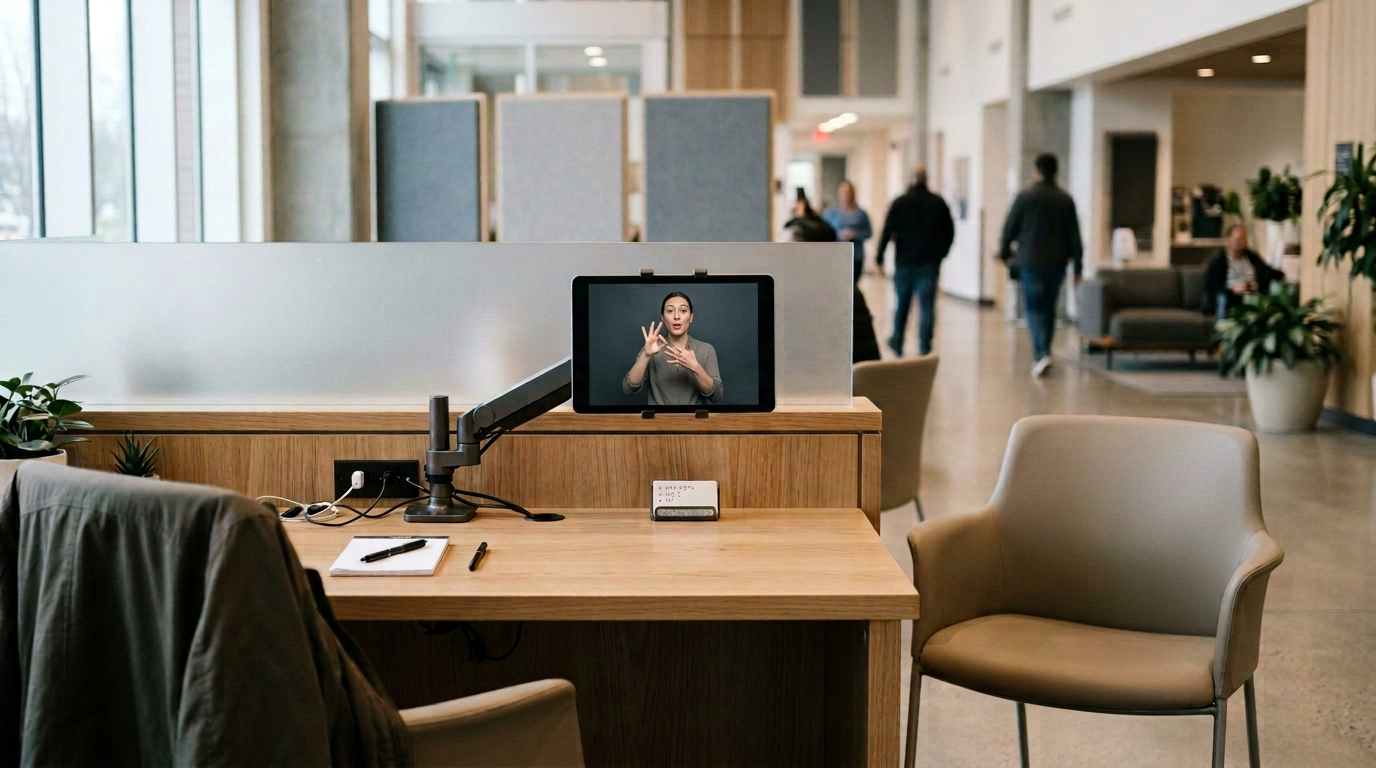
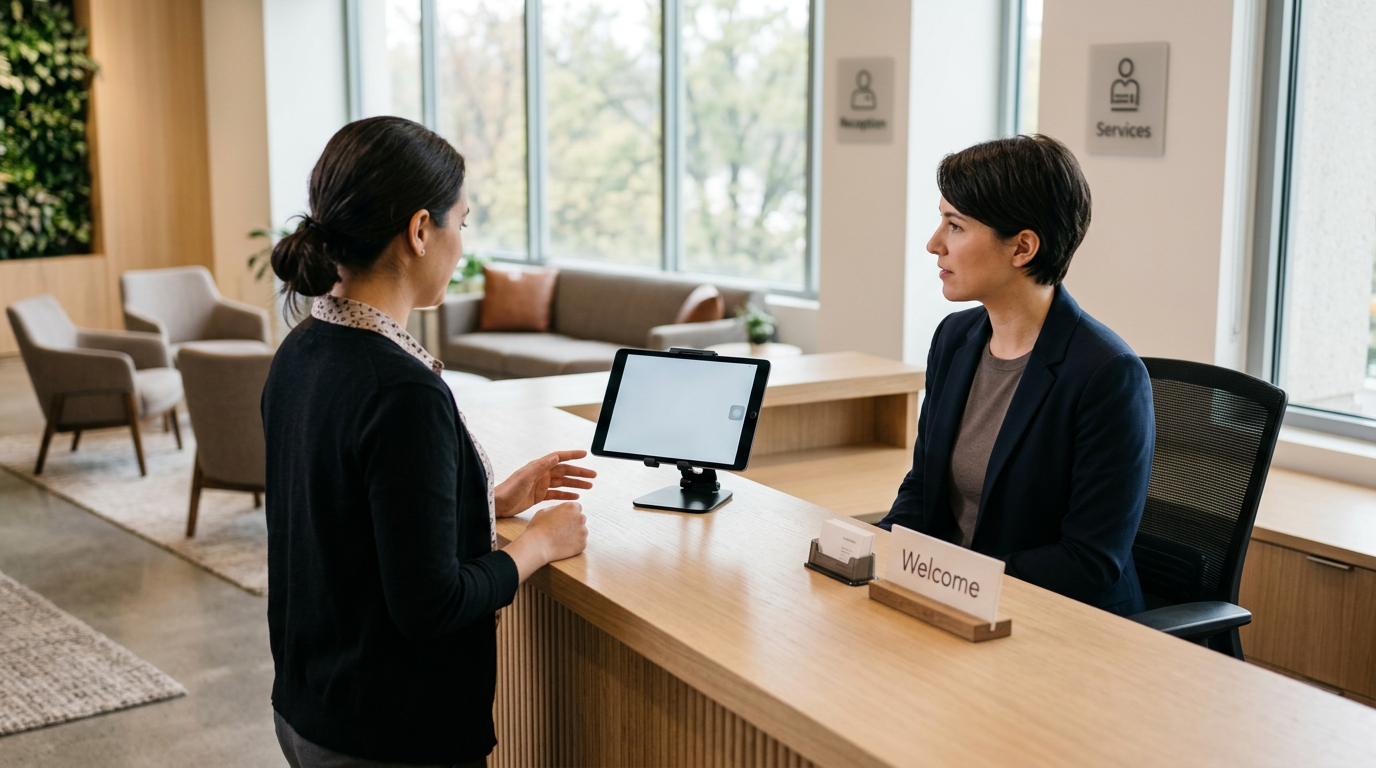
    Moments like this remind me how valuable ASL is for real-time communication. Of course, learning sign language takes time for most people. That’s where VRI On-Demand could be a game-changer — instant connection with a qualified interpreter right at the door.

    I’ll share more about my own VRI On-Demand experiences in a future post.


    What about you? Have you had a creative or unexpected accessibility win in everyday situations like this? Or what’s one small change that made communication easier for you?

    Share your stories in the comments!

    See you on Monday for Day 6!

  • Day 4: Deaf Accessibility Wins – Advocating as a Deaf Dad

    As a Deaf dad with Deaf daughters, advocacy is a constant part of life. From asking people to repeat themselves, using voice-to-text on my phone, writing notes, or requesting ASL interpreters — I’ve done it all. Advocating for interpreters is often hit-or-miss because funding isn’t always in place.

    Now that I have Deaf daughters, I’m advocating not just for myself, but for them, their Deaf friends, and other Deaf families (including hearing parents of Deaf children). The responsibility compounds.

    A Recent Win Recently, we signed our Deaf kids up for soccer. All the Deaf children ended up on the same team. The league was funded solely by registration fees, so they hadn’t planned for interpreters. We reached out to an organization that has dedicated funds reserved for ASL interpreters and connected them with the league.

    It was smooth sailing. The league coordinator was proactive, and we secured interpreters for games, wind-up events, and more. With clear communication and the right people involved, the coaches could communicate effectively with the Deaf players and parents — and vice versa.

    This experience showed me that knowing how and where to advocate makes all the difference. When the right motives, funding, and guidance come together, accessibility wins become possible.


    What about you? Have you had to advocate for accessibility in sports, school, or community activities? What worked well, or what would have made it easier?

    Share your experiences in the comments — your stories help all of us learn and grow.

    See you tomorrow for Day 5!

  • Day 3: Deaf Accessibility Wins – My First VRI On-Demand Experience

    A few weeks ago, we had severe weather — hail, pouring rain, and even a tornado warning. Many homes in the area had flooded basements because their sump pumps stopped working when the power went out. That got me thinking about home systems and accessibility.

    It reminded me of when we needed to replace our old gas-powered boiler. It wasn’t up to code, had asbestos, and the emissions made the basement unsafe for my family. We reached out to a couple of HVAC companies for quotes. When their reps came to our house, it was the first time I tried VRI On-Demand services.

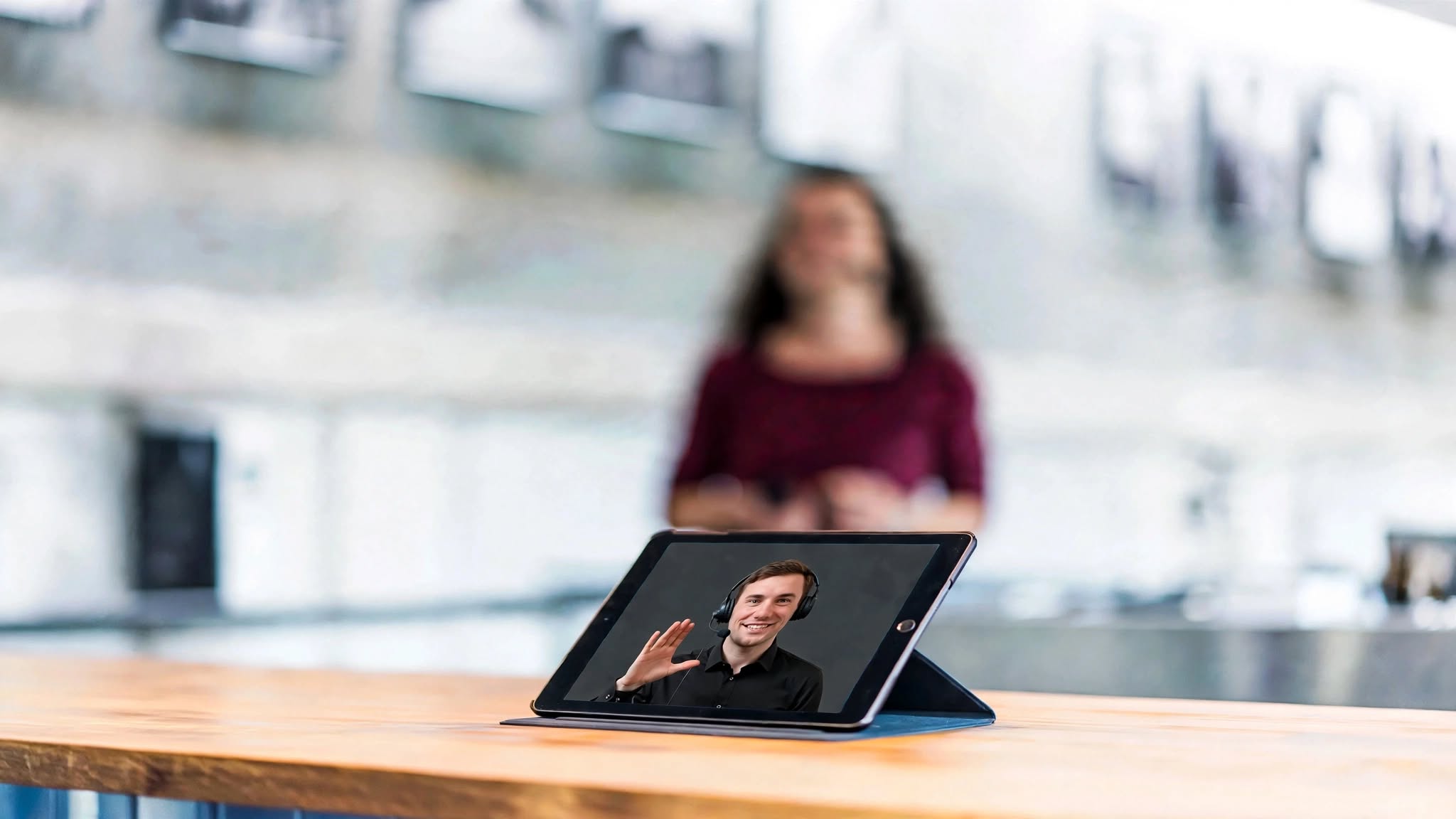
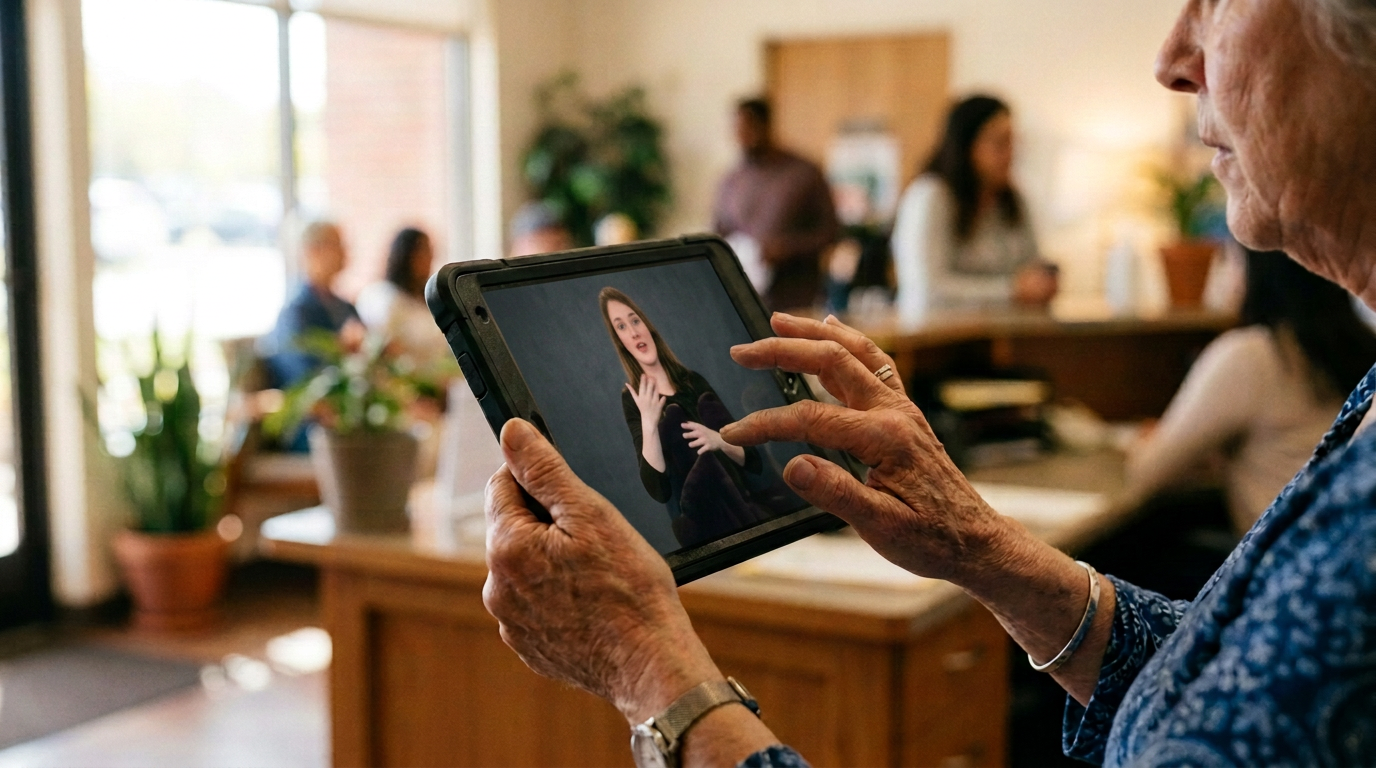
    At the time, it was still a pilot project using U.S.-based interpreters. It was incredibly convenient — no need to pre-book an interpreter. When the reps arrived (often within a wide time window), I could simply connect instantly on the device. I was able to understand the product presentations, ask questions, and make informed decisions.

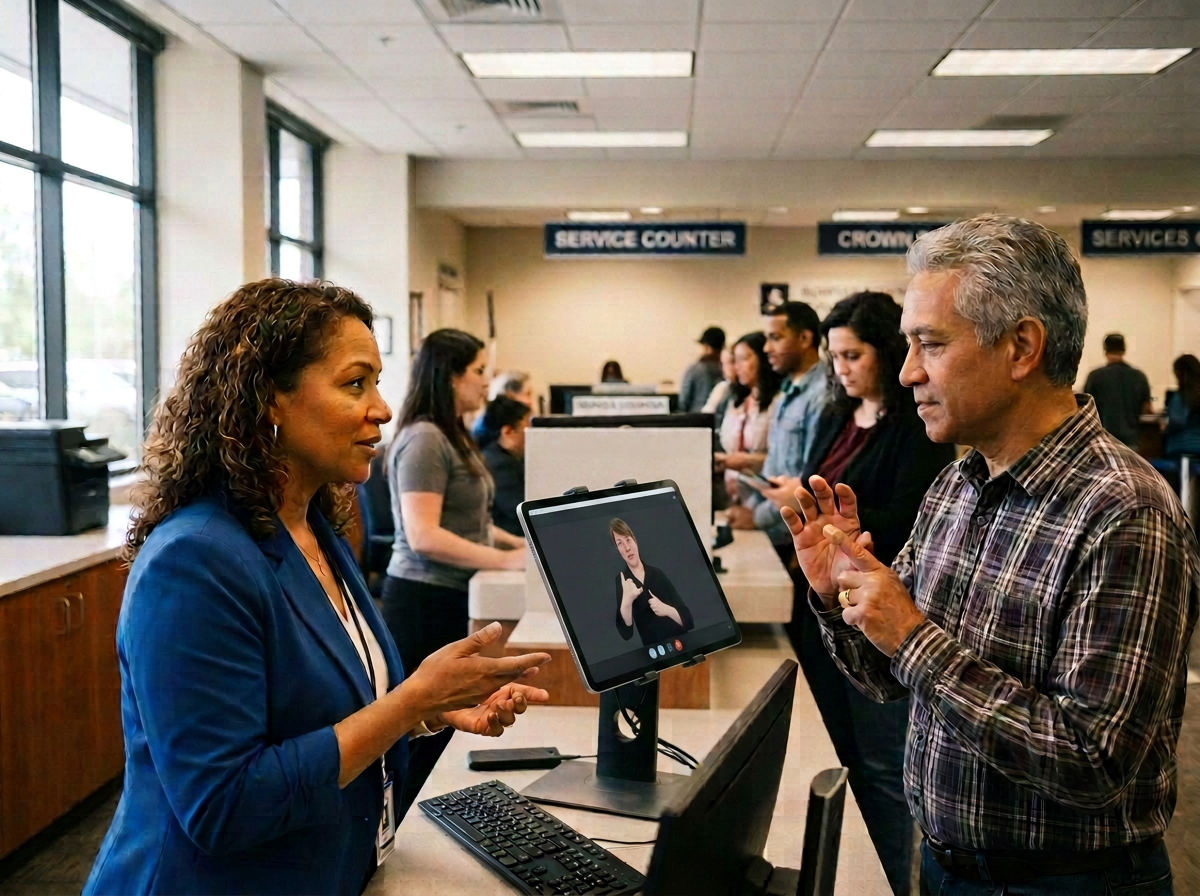
    That firsthand experience showed me how powerful on-demand interpreting can be for Deaf Canadians. We already have Canada VRS (free for Deaf callers, funded by the CRTC), but VRI On-Demand is different — it’s typically paid for by businesses, organizations, or healthcare providers when serving customers.

    While some VRI On-Demand services exist now, many still rely heavily on non-Canadian interpreters or mixed pools. True accessibility means having reliable Canadian ASL/LSQ interpreters available when needed.

    If you’ve used VRI On-Demand at home, work, or in public — or if this is something you’d like to see more widely available — let me know in the comments!


    What about you? Have you had a positive experience with on-demand interpreting or another accessibility tool that made life easier? Share your story below.

    See you tomorrow for Day 4!