Tag: solopreneur

  • Behind the Scenes of a Solo Deaf Freelancer

    Behind the Scenes of a Solo Deaf Freelancer

    Working Alone in the Studio

    As a solo Deaf freelancer translating documents, videos, and content into ASL, the work can feel a little lonesome—especially when I’m holed up in my studio with just the lights and camera on me.

    After filming, I rewatch myself to make sure everything is clear and accurate. Then it’s off to the laptop, where I transfer the videos and open Final Cut Pro to trim, edit, and polish.

    Depending on the client’s request, I might:

    • Replace the background
    • Adjust colors
    • Tweak the lighting so I don’t appear to be “glowing”

    Once the video looks good, I upload it to the cloud, send the client the download link, and attach my invoice.

    Ta-da. Done. Then I wait—knowing payday is coming. Of course, if needed, I’ll do a redo. I take pride in my work and always aim to deliver my best.


    Collaboration and Valuable Feedback

    Sometimes projects require a bigger team, especially when the video will be widely published. That often means bringing in an ASL reviewer, who ensures clarity, accuracy, and correct sign choices before giving the final approval.

    Working with different reviewers and coaches has given me feedback I never received before—and it’s been invaluable.

    One big lesson: my facial expressions (NMS). I realized they sometimes unintentionally changed the meaning of messages. It was a habit I hadn’t noticed, but now I know how much it impacts clarity.

    I’ve also partnered with professional video editors, who shared tips to improve my technical setup. For example, one pointed out the shadows in my background. Since my home studio is small, removing shadows meant moving closer to the camera—but that also limited my signing space.


    Technical Breakthroughs

    Recently, I made a major discovery: manual camera settings beat Auto White Balance every time.

    Shadows in the background had been causing my camera to constantly readjust, which changed my skin tone throughout recordings. This created editing nightmares—especially with green screen effects.

    Switching to manual settings was a game changer.

    Lighting was another upgrade. At first, I used bright LED lights to minimize shadows, but they reflected too much on the green screen. Following a client’s video editor’s advice, I switched to softer lighting.

    The results?

    • A more natural on-camera look
    • Easier editing
    • A stronger presence as “the talent”

    The Ongoing Journey

    As a solo Deaf translator, there’s always something new to learn.

    Being coachable, professional, and open to feedback has been the key to:

    • Delivering higher-quality work
    • Strengthening client relationships
    • Building long-term collaborations

    What I value most is working with others who share the passion for making projects accessible in ASL with high-quality videos and translations.


    Building a Business From Home

    If you’re looking to build something from home, translation services are just one path. Personally, I also work in:

    • High-ticket sales
    • Coaching and mentorship
    • Health and wellness products
    • Sign language interpreting services

    And if translations aren’t your thing? You can still create a business by selling products or offering services people already use and need.


    Let’s Connect

    If this is something you’re interested in, comment below or send me a message. I’d love to connect and learn more about your goals!

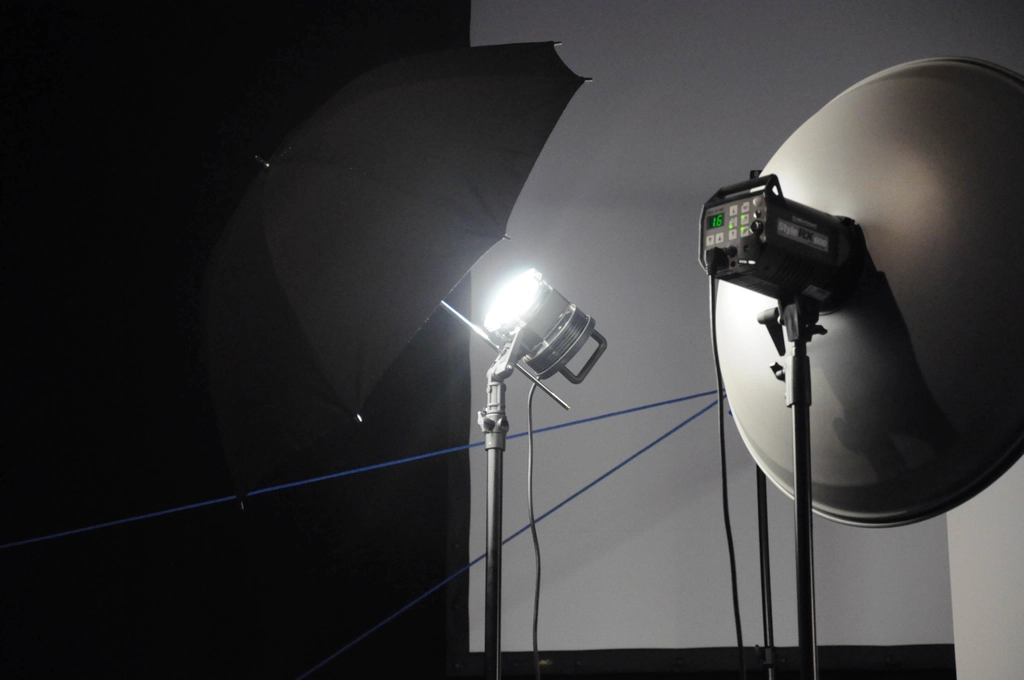
    Lightning photoshoot studio
  • Should You Start a Job, Online Business, Side Hustle—Or Pivot Entirely?

    If you’ve been following my journey for a while, you probably know I wear a few hats.

    I’ve built an online business where I sell health products, offer ASL translation services, and provide access to an all-in-one SaaS platform that helps manage everything you need for running an online business. Like many solopreneurs, my work spans services, freelance projects, and contracted opportunities. It’s not always predictable—but it’s mine.

    Lately, I’ve been leading weekly team trainings with a group of Deaf individuals who are launching their own online businesses while still working full-time jobs. It’s been a powerful experience. Every session teaches me something new—not just about business, but about myself. The process of guiding others has deepened my own understanding and helped sharpen the skills needed to grow and sustain something meaningful.

    But let me be real with you—recently, things slowed down.

    Leads dried up. Engagement dropped. The usual momentum just wasn’t there.

    So I did something a lot of entrepreneurs are hesitant to admit: I pivoted.

    And that pivot came in a few different forms.

    One of the biggest shifts? I hopped off the content creation hamster wheel. Constantly churning out content across platforms was exhausting and unsustainable. Instead, I started investing more into email marketing—building deeper, more intentional relationships through direct communication.

    At the time of writing this, I’m still in the thick of it. Testing. Tweaking. Trying different sequences and messages to see what truly resonates. It’s a bunch of trial and error—but honestly, that’s what excites me. The ability to stay creative, adapt, and connect with people in more meaningful ways is exactly why I love building online.

    On top of email marketing, I’m also working on creating long-form videos in ASL. I’m still exploring the best platform to house them, but I’m leaning toward YouTube—that’s probably where I’ll start. Making my content accessible to the Deaf and signing community is important to me. I want to serve those who’ll benefit from it most. And if you find value in it while building your own path, I’d love to connect with you. I believe in collaboration and lifting each other up to make a collective impact. If that resonates with you—let’s connect.

    Another unexpected pivot? A job offer.

    Here’s the twist: the job was rooted in the exact same skill set I’ve developed over years as a solopreneur. Communication, project management, creative strategy—all of it aligned. More importantly, the company’s mission matched my values and the impact I want to create in the world. It felt like a win-win.

    It’s remote. It’s flexible. And it gives me the financial cushion I needed during what felt like a famine season in my business. To be honest, the mental break from constantly being in hustle mode has been a relief. I can breathe again. Regroup. Re-strategize.

    And that’s the beauty of being a solopreneur in today’s world—we can move fast. We can shift direction without the red tape. We can adapt.

    Because if we don’t pivot when necessary, we risk burning out—or worse, becoming irrelevant. It’s like the dinosaurs. (Okay, hear me out.) They didn’t adapt, and well… they’re gone. A more modern example? Blockbuster. They had a massive lead in the home video industry but failed to evolve when the streaming revolution hit. Meanwhile, companies that did adapt—like Netflix—thrived.

    Being nimble is a competitive advantage.

    So if you’re at a crossroads wondering what’s next for you—whether it’s launching a side hustle, starting an online business, taking a flexible job, or combining them all—I want to say this:

    There’s no one-size-fits-all.

    Sometimes the smartest move is to stay the course.
    Sometimes the wisest decision is to pivot.
    And sometimes the most empowering thing you can do… is both.

    Whatever path you choose, make sure it aligns with who you are and where you want to go. Because freedom isn’t just about entrepreneurship—it’s about designing a life that actually works for you.