Tag: scheduled interpreting

  • Building a Hybrid Interpreting Strategy for Government and Crown Services: On-Demand + Scheduled + In-Person

    Building a Hybrid Interpreting Strategy for Government and Crown Services: On-Demand + Scheduled + In-Person

    Government and Crown services interact with the public in many different ways — scheduled appointments, formal meetings, walk-in counters, urgent inquiries, and everything in between. No single interpreting method covers all of these situations effectively.

    A practical hybrid strategy combines three complementary approaches: on-demand video remote interpreting (VRI), scheduled interpreting, and in-person interpreting. Used together, they create consistent access without forcing every interaction into one model.

    The Three Components

    Scheduled interpreting is arranged in advance for known dates, times, and durations. It works well for formal meetings, hearings, training sessions, and planned appointments. Advance booking allows for preparation, subject-matter briefing, and logistical coordination.

    In-person interpreting places a qualified interpreter physically present at the location. It is often preferred for longer, complex, or high-stakes interactions, sensitive discussions, or settings where visual and environmental context matter significantly.

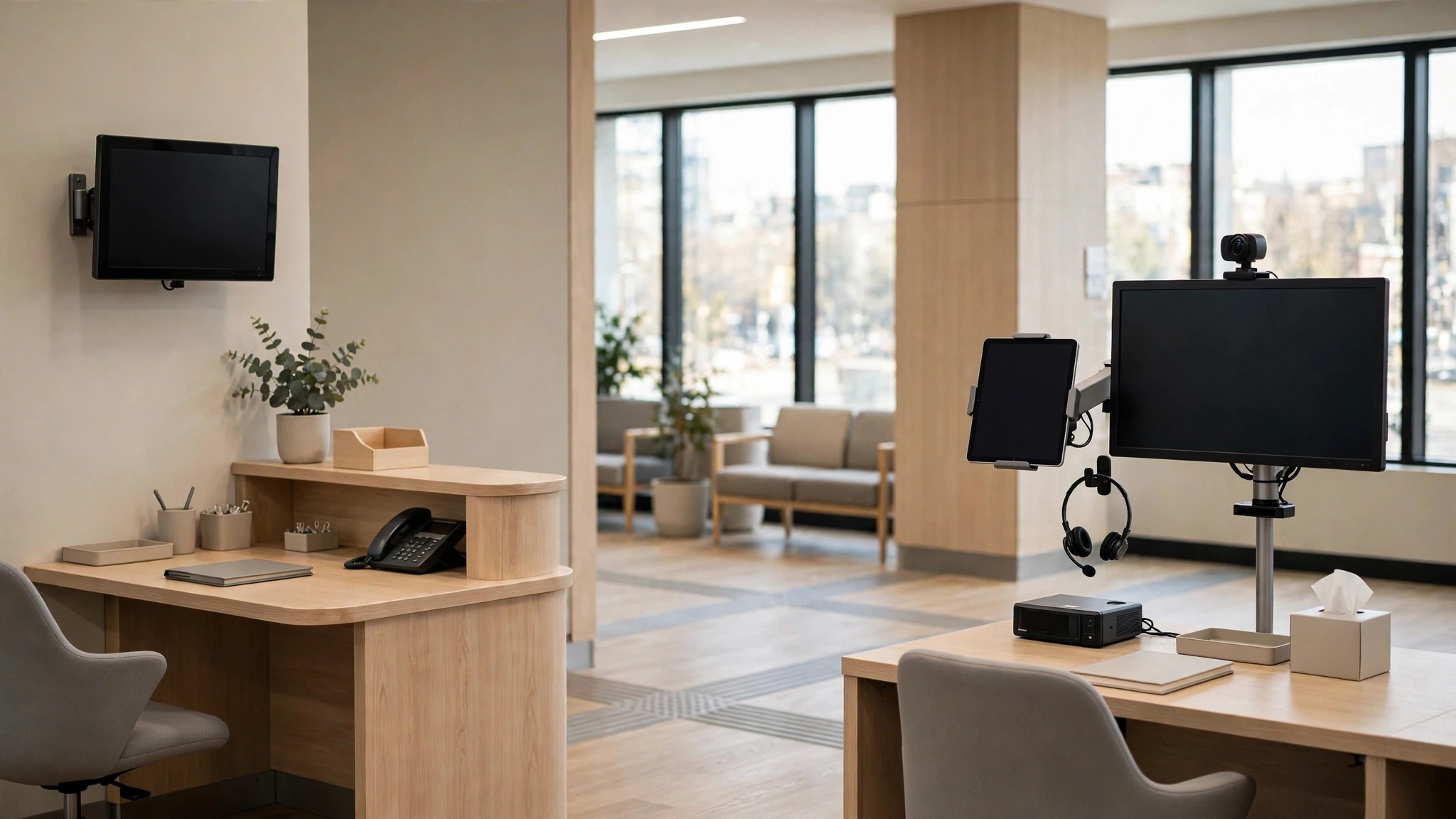
    On-demand VRI provides immediate access when no interpreter has been booked. Staff connect through a platform and are matched with a qualified ASL or LSQ interpreter within seconds from a laptop, tablet, or mobile device. It is designed for unplanned or urgent needs that cannot wait for scheduling.

    Each method solves a different operational problem. Treating them as interchangeable creates gaps. Treating them as complementary closes those gaps.

    Matching the Method to the Situation

    A clear hybrid model assigns each approach to the situations it handles best:

    • Use scheduled interpreting when the need is known in advance and preparation adds value.
    • Use in-person interpreting for complex, lengthy, or high-stakes interactions where physical presence is important.
    • Use on-demand VRI for walk-ins, urgent inquiries, last-minute needs, and any situation where waiting or rescheduling is not acceptable.

    This structure gives front-line teams clear guidance and reduces the risk of defaulting to incomplete workarounds when an unexpected need arises.

    Why a Hybrid Approach Works for Government and Crown Services

    Public-sector environments regularly produce both planned and unplanned communication needs. Relying only on scheduled or in-person interpreting leaves the “right now” moments uncovered. Relying only on on-demand VRI may miss the benefits of preparation and physical presence for more complex interactions.

    A hybrid strategy delivers:

    • Coverage for both anticipated and unexpected needs
    • Greater consistency across locations, shifts, and service channels
    • Reduced pressure on staff who previously had limited options
    • Stronger alignment between accessibility commitments and daily operations

    On-demand VRI does not replace scheduled or in-person services. It fills the critical space between them.

    Implementing the Strategy

    Successful hybrid models usually include three practical elements:

    1. Clear internal guidance so staff know which option to use and how to access it.
    2. Reliable on-demand capability that meets professional standards for ASL and LSQ interpreting.
    3. Continued investment in scheduled and in-person services for the situations that require them.

    When these pieces are in place, accessibility becomes more consistent and less dependent on whether someone remembered to book ahead.

    A Practical Next Step

    Review a recent period of service interactions and identify how often communication needs arose without advance notice. Those instances point directly to where on-demand VRI strengthens the overall model.

    A hybrid strategy is not theoretical. It is a working combination of planned support, physical presence when needed, and immediate access when timing cannot wait.

    Visit asign.ca to explore how on-demand ASL and LSQ interpreting can complement your existing scheduled and in-person services, or reach out to discuss a hybrid approach tailored to your government or Crown operations.

    Three methods. One goal: reliable access in every situation that matters.
  • Scheduled Interpreting vs. On-Demand VRI: Building a Practical Hybrid Model for Public-Sector Teams

    Scheduled Interpreting vs. On-Demand VRI: Building a Practical Hybrid Model for Public-Sector Teams

    Public-sector teams in provincial, municipal, and Crown organizations often face a practical question: should we rely on scheduled interpreting or invest in on-demand video remote interpreting (VRI)?

    The most effective answer is rarely either/or. It is both — used intentionally as a hybrid model that matches how public services actually operate.

    Understanding the Two Approaches

    Scheduled interpreting is planned in advance. It works well when the date, time, location, and duration are known. Common uses include formal meetings, hearings, training sessions, scheduled appointments, and events where an interpreter can be booked days or weeks ahead. It allows for preparation, subject-matter briefing, and in-person or remote delivery as needed.

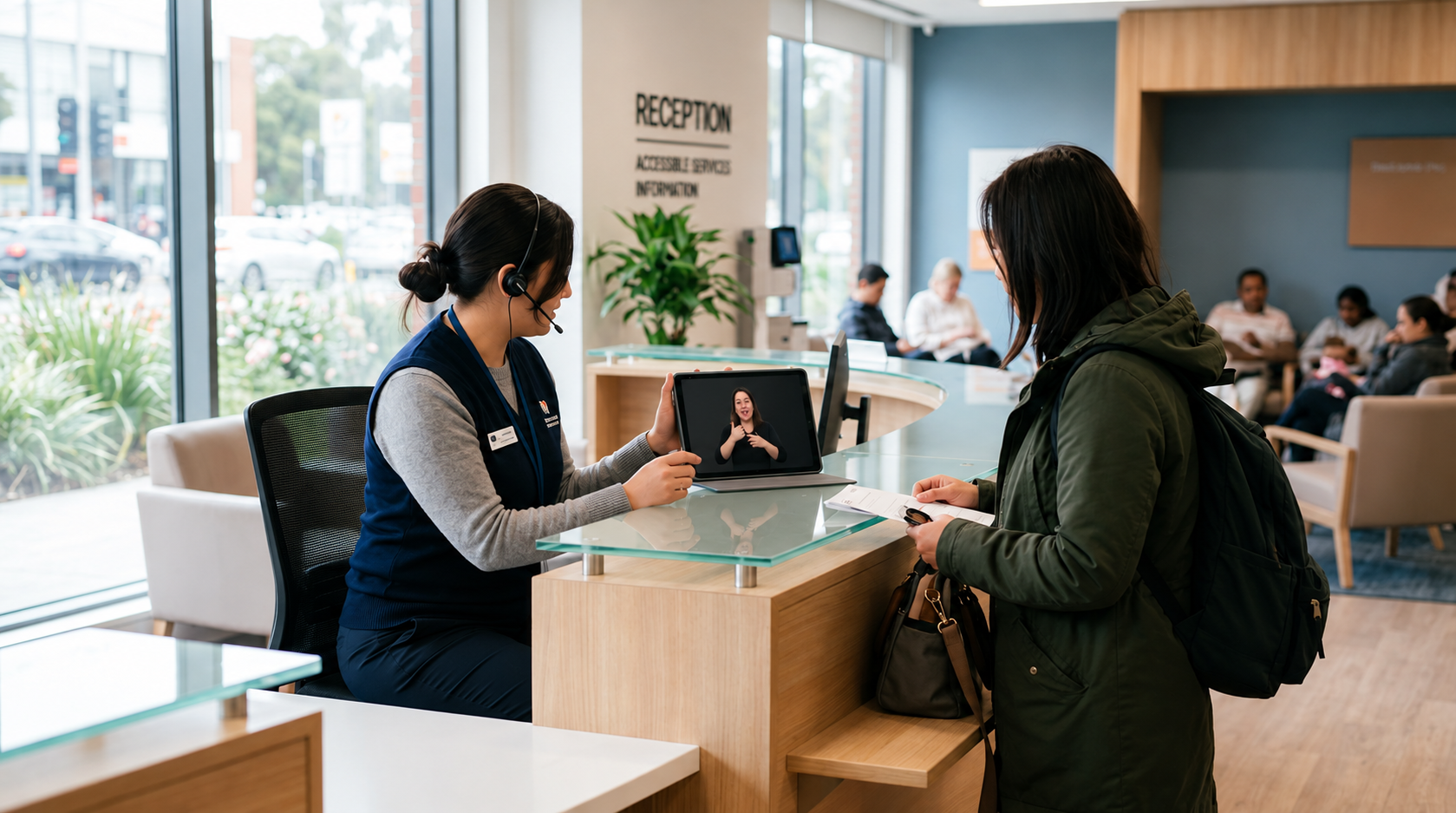
    On-demand VRI is built for the opposite situation: the moment when communication is needed immediately and no interpreter has been arranged. A staff member connects through a platform, is matched with a qualified ASL or LSQ interpreter within seconds, and communication begins in real time. No booking lead time is required.

    Each approach solves a different problem. Treating them as interchangeable creates gaps. Treating them as complementary closes those gaps.

    Where Scheduled Interpreting Excels

    Scheduled services remain essential for:

    • Formal or high-stakes meetings that benefit from preparation
    • Longer sessions where continuity and context matter
    • Situations requiring in-person presence
    • Events or appointments with predictable timing

    In these cases, advance booking supports quality, consistency, and logistical planning.

    Where On-Demand VRI Fills the Gap

    Public-facing environments regularly produce unplanned needs:

    • A citizen walks into a service counter with an urgent question
    • An intake process begins and a communication barrier appears
    • A last-minute discussion or drop-in request requires immediate access
    • Staff on different shifts or in different locations encounter the same barrier

    Scheduled interpreting cannot respond in these moments. On-demand VRI can. Platforms such as Asign On allow teams to connect to professional ASL or LSQ interpreters in seconds from a laptop, tablet, or mobile device — keeping the interaction moving without rescheduling or relying on incomplete workarounds.

    Building a Practical Hybrid Model

    A hybrid approach assigns each method to the situations it handles best:

    • Use scheduled interpreting for known, planned interactions
    • Use on-demand VRI for unplanned, immediate needs
    • Maintain clear internal guidance so staff know which option to use and when
    • Ensure both services meet the same professional standards (qualified interpreters, appropriate security clearances where required, and cultural competence)

    This model reduces friction for clients, lowers pressure on front-line staff, and strengthens alignment with accessibility commitments across provincial, municipal, and Crown operations.

    Why the Hybrid Model Matters

    Many public-sector teams already have strong scheduled interpreting arrangements. The remaining gap is almost always the unplanned moment — the interaction that arrives without notice. Closing that gap does not require replacing existing services. It requires adding the capability to respond in real time.

    When both scheduled and on-demand options are available and clearly understood, accessibility becomes consistent rather than conditional on whether someone remembered to book ahead.

    Next Steps for Public-Sector Teams

    Review a recent period of service interactions and identify how often communication needs arose without advance notice. Those instances point directly to where on-demand VRI can add value.

    A practical hybrid model is not theoretical. It is a working combination of planned support and immediate access that reflects the reality of public service delivery.

    Visit asign.ca to learn how on-demand ASL and LSQ interpreting can complement your existing scheduled services, or reach out to discuss a hybrid approach tailored to your team’s operations.

    Clear roles for each method. Better access in every moment that matters.