Tag: ASL Translation Services

  • Make Your Communications Truly Accessible

    Make Your Communications Truly Accessible

    Accessibility isn’t just about following rules—it’s about making sure everyone can find, understand, and use your information.

    The newly released CAN-ASC-3.1:2025 Plain Language Standard is helping organizations do just that. It’s designed to create clear, simple, and inclusive communications by removing barriers that may prevent people, including those with disabilities, from accessing information.

    Why Plain Language Matters

    Plain language makes your content:

    • Easy to understand: Audiences can quickly grasp the information.
    • Actionable: People know what to do next.
    • Trustworthy: Your audience feels confident in the accuracy of your communications.

    For organizations, using plain language also:

    • Reduces follow-up questions.
    • Improves efficiency in information sharing.
    • Builds credibility and trust with your audience.

    But here’s the catch—plain language isn’t enough for everyone.

    Why ASL Translation Matters

    For Deaf audiences, written communications alone often don’t fully convey your message. This is where American Sign Language (ASL) translation services come in. By translating your content into ASL:

    • Deaf individuals can fully access your information.
    • Engagement and understanding increase.
    • Your communications become truly inclusive and barrier-free.

    Think of it like this: plain language clears the path, and ASL translation opens the door. Together, they create a communication experience that works for everyone.

    Make Your Communications Inclusive Today

    If you want your organization’s communications to reach everyone, including Deaf audiences, combining plain language standards with ASL translation is the most effective strategy.
  • Behind the Scenes of a Solo Deaf Freelancer

    Behind the Scenes of a Solo Deaf Freelancer

    Working Alone in the Studio

    As a solo Deaf freelancer translating documents, videos, and content into ASL, the work can feel a little lonesome—especially when I’m holed up in my studio with just the lights and camera on me.

    After filming, I rewatch myself to make sure everything is clear and accurate. Then it’s off to the laptop, where I transfer the videos and open Final Cut Pro to trim, edit, and polish.

    Depending on the client’s request, I might:

    • Replace the background
    • Adjust colors
    • Tweak the lighting so I don’t appear to be “glowing”

    Once the video looks good, I upload it to the cloud, send the client the download link, and attach my invoice.

    Ta-da. Done. Then I wait—knowing payday is coming. Of course, if needed, I’ll do a redo. I take pride in my work and always aim to deliver my best.


    Collaboration and Valuable Feedback

    Sometimes projects require a bigger team, especially when the video will be widely published. That often means bringing in an ASL reviewer, who ensures clarity, accuracy, and correct sign choices before giving the final approval.

    Working with different reviewers and coaches has given me feedback I never received before—and it’s been invaluable.

    One big lesson: my facial expressions (NMS). I realized they sometimes unintentionally changed the meaning of messages. It was a habit I hadn’t noticed, but now I know how much it impacts clarity.

    I’ve also partnered with professional video editors, who shared tips to improve my technical setup. For example, one pointed out the shadows in my background. Since my home studio is small, removing shadows meant moving closer to the camera—but that also limited my signing space.


    Technical Breakthroughs

    Recently, I made a major discovery: manual camera settings beat Auto White Balance every time.

    Shadows in the background had been causing my camera to constantly readjust, which changed my skin tone throughout recordings. This created editing nightmares—especially with green screen effects.

    Switching to manual settings was a game changer.

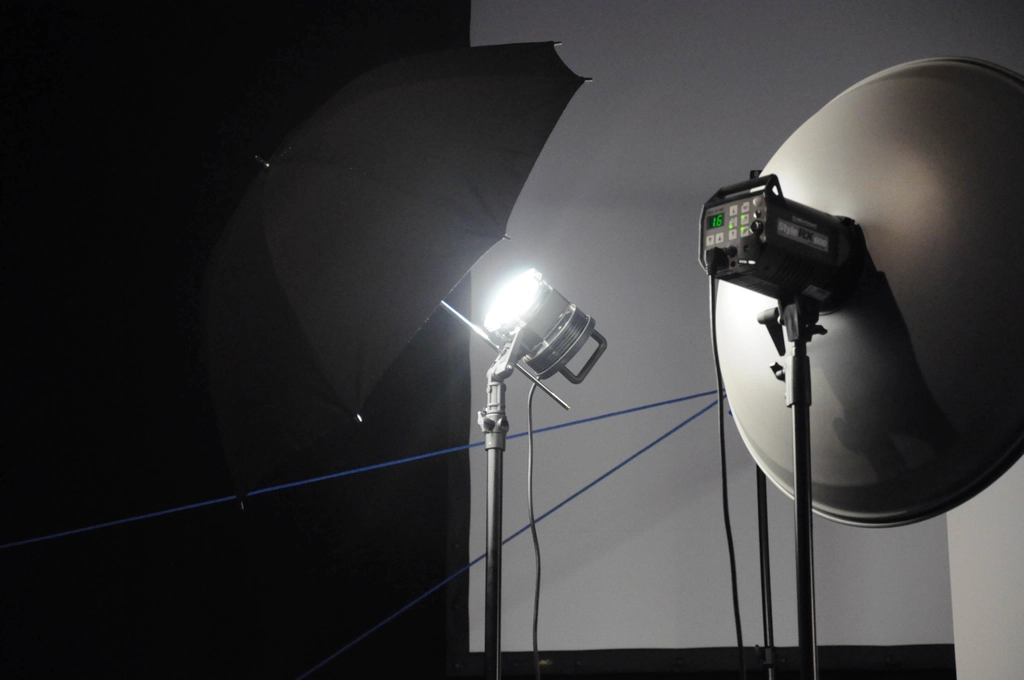
    Lighting was another upgrade. At first, I used bright LED lights to minimize shadows, but they reflected too much on the green screen. Following a client’s video editor’s advice, I switched to softer lighting.

    The results?

    • A more natural on-camera look
    • Easier editing
    • A stronger presence as “the talent”

    The Ongoing Journey

    As a solo Deaf translator, there’s always something new to learn.

    Being coachable, professional, and open to feedback has been the key to:

    • Delivering higher-quality work
    • Strengthening client relationships
    • Building long-term collaborations

    What I value most is working with others who share the passion for making projects accessible in ASL with high-quality videos and translations.


    Building a Business From Home

    If you’re looking to build something from home, translation services are just one path. Personally, I also work in:

    • High-ticket sales
    • Coaching and mentorship
    • Health and wellness products
    • Sign language interpreting services

    And if translations aren’t your thing? You can still create a business by selling products or offering services people already use and need.


    Let’s Connect

    If this is something you’re interested in, comment below or send me a message. I’d love to connect and learn more about your goals!

    Lightning photoshoot studio